China’s influence on the global sports stage is undeniable. From dominating medals at the Olympic Games to nurturing millions of athletes at the grassroots level, the country’s approach to sporting excellence blends long-term planning, government support, community engagement, and cutting-edge training methods. But how exactly is China preparing the next generation of athletes, and what lessons can the world learn from its model?
In this article, we explore how China’s sports ecosystem — from youth programs and school athletics to elite Olympic training centers — is shaping future champions and turning dreams into reality.
🏅 A Legacy of Olympic Success
China’s success at the Olympic Games has been spectacular over the past few decades. Since topping the medal tally at the Beijing 2008 Olympics, China has consistently ranked among the top nations in Summer Olympics competition. According to the International Olympic Committee (IOC), China often competes neck-and-neck with countries like the United States and Russia in total medal counts.
This performance is not accidental. It reflects decades of investment in sports science, professional coaching, and athlete development programs.
👉 For a closer look at China’s Olympic performance history, check the official IOC site.
🎓 Sports in Schools: The Foundation of Talent
Unlike many countries where sports are extracurricular, China embeds physical development within its formal education system. Physical education is a mandatory part of the curriculum, with regular fitness testing, team sports, and inter-school competitions.
The government’s National Fitness Program aims to increase participation across all age groups. This means students aren’t just encouraged to watch sports — they are taught to play them. Early exposure builds fundamental skills, teamwork, and athletic confidence long before elite selection begins.
Studies show that early sports engagement correlates with higher overall physical literacy, better health, and greater chances of athletic success later in life.
🏫 Specialized Sports Schools and Training Centers
For students with exceptional talent, China operates a network of specialized sports schools and academies. These institutions focus on nurturing elite athletes from a young age, combining academic education with intensive training in disciplines such as gymnastics, swimming, diving, and track and field.
These schools have produced many of China’s top Olympians and world champions. According to Inside the Games, China’s sports school model offers a systematic path from child athlete to professional competitor — with access to expert coaching and world-class facilities.
👉 Explore more about athlete development models on Inside the Games.
🧠 Sports Science and Innovation
China’s commitment to sports excellence goes beyond raw talent. Research universities and institutes collaborate with training centers to bring sports science to the forefront. Biomechanics, nutrition, performance psychology, and injury prevention are deeply integrated into athletic development plans.
Leading sports science centers regularly publish in international journals, contributing knowledge to global athletic research networks. This scientific approach gives Chinese athletes a competitive edge and prepares them for the rigors of high-performance competition.
🏃 Community and Grassroots Programs
Elite training is only one side of China’s sports strategy. Grassroots programs play an equally crucial role.
🏀 Community Courts and Street Sports
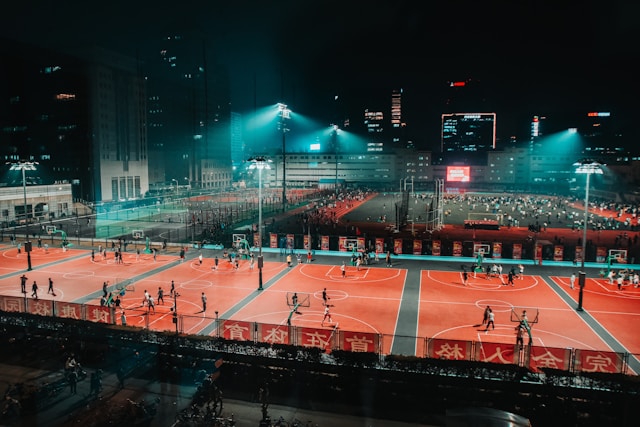
Basketball courts are omnipresent in urban and rural areas alike — a testament to the sport’s popularity in China. Basketball (often shortened online as China basketball) trends in search behavior year-round, attracting global attention with local leagues, youth tournaments, and street basketball culture.
Community sports events encourage participation regardless of skill level, improving health outcomes and social cohesion.
🚴♀️ Mass Participation Events
From mass running races to cycling festivals, China’s calendar is full of public sports events aimed at every age group. Initiatives like the National Fitness Day and City Marathon Series encourage regular exercise and help identify local talent organically.
These community platforms foster enthusiasm for physical activity and make sports a part of everyday life.
🧒 Youth Competitions: The Pipeline to the Pros
Youth competitions form the backbone of China’s athletic pipeline. National, regional, and local tournaments give young athletes their first taste of competition. Success in these events often leads to selection for more advanced training opportunities.
Platforms like the Chinese Youth Sports League provide structured pathways from neighborhood contests to national-level showcases. Scouts and coaches use these events to spot promising talent — often years before athletes reach college age.
Sports analytics and performance testing increasingly influence selection decisions, blending data with traditional coaching insights.
💪 Supporting Female Athletes
China has made notable strides in supporting female athletes. In international competitions, Chinese women have won medals in sports like weightlifting, diving, shooting, and gymnastics. Government programs actively promote women’s participation in sports, breaking down traditional barriers.
Initiatives aimed at increasing female representation in coaching, sports administration, and competitive play are gaining momentum, contributing to a more inclusive sporting culture.
🩺 Health, Safety, and Athlete Welfare
Elite athlete training can be grueling, and China has taken steps to protect athlete welfare. Sports medicine centers provide injury prevention, rehabilitation, and psychological support tailored to demanding training schedules.
The emphasis on health extends to anti-doping education and adherence to global compliance standards, ensuring that Chinese athletes compete with integrity on the world stage.
🏆 Case Studies: Champions in the Making
🥇 Swimming and Diving
China is renowned for producing world-class swimmers and divers. From Sun Yang to Shi Tingmao, Chinese aquatics stars have dominated major competitions, including the Olympics and World Championships.
These success stories underscore the effectiveness of China’s long-term training structures — starting from youth swim schools to national training centers.
🤸 Gymnastics
Chinese gymnastics combines technical precision with artistic flair. The nation’s gymnasts consistently win global competitions, reflecting a deep investment in early talent identification and disciplined training systems.
📉 Challenges and Global Context
While China’s sports system is powerful, it isn’t without criticism. Some observers argue that an early specialization model can limit broader athletic exploration. Research in sports development suggests that over-specialization at a young age may increase injury risk and reduce long-term participation.
However, China also hosts a growing number of multi-sport youth programs that promote balanced athletic development — an encouraging trend for the future.
Globally, the sporting landscape is increasingly interconnected. Collaborative training exchanges, international competitions, and shared research agendas promote a more holistic approach to athletic preparation. By engaging in this global sports community, China continues to both contribute and learn from best practices worldwide.
🌍 China’s Influence on Global Sports Culture
China’s sporting achievements influence more than just medal tables — they shape global conversations about athletic excellence, national identity, and international cooperation.
Major sporting events, such as the Asian Games and World University Games, held in Chinese cities, draw global audiences and spotlight regional culture. Meanwhile, Chinese athletes continue to inspire young sports fans across continents.
Search interest in terms like “China youth sports,” “Chinese athletes international competitions,” and “sports development in China” reflects growing global curiosity about how China trains and supports its athletes.
📊 The Road Ahead: Tokyo, Paris, and Beyond
Looking toward the Paris 2024 Olympics and future games, China remains poised to be a major contender. Emerging talents from diverse sports — from athletics to badminton, table tennis to weightlifting — signal sustained excellence across competitive fields.
China’s investment in next-generation training facilities, youth development programs, and international sporting exchanges ensures that its pipeline of elite athletes will continue to grow stronger each year.
🧠 Final Thoughts: A Comprehensive Sports Ecosystem
China’s model of athletic development — from grassroots engagement to Olympic excellence — illustrates a blend of ambition, structure, and cultural value placed on physical fitness and competition.
From community courts and school athletics programs to world-class training centers and scientific innovation, China’s approach aims to create not just elite champions but lifelong athletes and active citizens.
As the eyes of the world turn toward sporting events and global competitions, one thing is clear: China’s strategy for developing its next generation of athletes will continue to shape the future of sports for years to come.